
Buy Bulk Ammunition Now – In Stock and Ready to Ship
You’re at the range, the target’s set, and your last box of rounds is already empty—so grabbing fresh ammunition for sale means you can keep those groups tight without packing Ammo Cans & Storage for Sale up early. Each cartridge combines a primer, powder, and projectile in a precisely sized case, and when your firearm’s firing pin hits that primer, the powder ignites and sends the bullet downrange with consistent speed and accuracy. Buying the right load for your gun gives you reliable cycling, predictable recoil, and the confidence to practice more, hunt cleaner, or compete sharper, all just by opening a new box. Ammunition for sale is simply your ticket to a satisfying afternoon, whether you’re popping cans or zeroing a scope.
Caliber Clarity: Matching the Right Round to Your Firearm
When you’re browsing ammunition for sale, the first rule of caliber clarity is verifying the exact cartridge stamped on your firearm’s barrel—.38 Special and .357 Magnum might share a diameter, but swapping them without checking can be a costly mistake. Match the 7mm PRC Ammo for Sale round to the gun’s purpose: a lightweight 9mm Luger load for range practice feels different from a +P defensive round, even if both fit the mag. Always cross-reference the box label with your owner’s manual, and ignore “close enough” advice from well-meaning buddies—a .40 S&W will not chamber safely in a 10mm pistol. Your firearm’s headspace and pressure limits are the real boss here, not the sale sign. Finally, buy in bulk only after confirming your specific barrel twist rate and rifling groove depth, since a mismatched bullet weight can keyhole or foul your bore.
Understanding Bullet Weights and Grain for Precision Shooting
Understanding .17 WSM Ammo for Sale bullet weights and grain for precision shooting begins with the simple fact that one grain equals 1/7000 of a pound, and this measurement dictates bullet trajectory and wind drift. Heavier grains, such as a 175gr .308 match load, retain velocity better at long range, while lighter options like 55gr .223 exit faster but suffer more from crosswinds. When purchasing ammunition for sale, always match the grain to your barrel’s twist rate—a slower twist favors heavier projectiles for stable flight. Test multiple grain weights at 100 yards to see which groups tighten, as precision shooting hinges on consistent bullet weight selection for repeatable drop calculations.

In precision shooting, grain weight is not an accessory but the core variable controlling flight stability, drop, and wind resistance; select the heaviest bullet your barrel twist stabilizes for the most predictable long-range performance.
Full Metal Jacket vs. Hollow Point: Which Load Performs Best for Your Goal
Choosing between Full Metal Jacket vs. Hollow Point: Which Load Performs Best for Your Goal hinges on your terminal intent. FMJ rounds, with their tough copper jacket, offer deep penetration and reliable feeding, making them ideal for target practice, competition, and barrier-blind training. Conversely, hollow points expand upon impact, dumping energy into soft tissue while minimizing over-penetration—the superior choice for personal defense. The nuance lies in your setting: a hollow point that fails to expand in denim can underperform, while an FMJ’s pass-through is a liability at home. For range ammo, prioritize cost and function with FMJ; for carry loads, invest in proven defensive hollow points. Your goal dictates the buy.
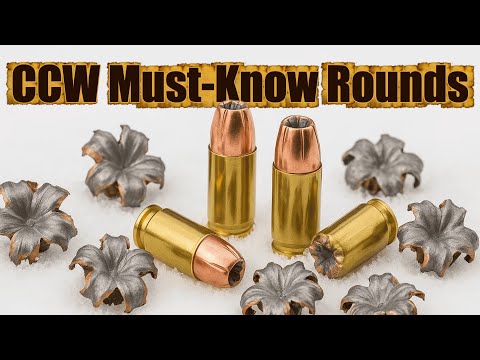
- FMJ excels in affordability and prevents barrel fouling for high-volume drills.
- Hollow points deliver controlled expansion, reducing risk to bystanders in 5.56 Ammo for Sale defensive scenarios.
- Matching the right round to your firearm’s purpose ensures reliability—test both loads for cyclic function before bulk purchasing.
Where to Source Bulk Ammo Without Sacrificing Quality or Cost
For bulk ammunition for sale that balances cost with performance, start with established online distributors like Target Sports USA or Bulk Munitions, which offer free shipping thresholds and tiered pricing on genuine factory loads. Stick to brands with proven track records—Federal, CCI, or Sellier & Bellot—rather than obscure remanufacturers, since their brass and primers ensure reliable cycling. Compare per-round prices across three or four sites using ammo-seek-style aggregators, but verify lot numbers and inspect customer photos of shipped boxes. For the best value, buy during seasonal sales or backorder drops, yet always confirm the retailer’s return policy for damaged or mispacked cartridges. Joining shooting forums reveals source-specific discounts, like veteran-owned dealers offering 5% off case orders. Ultimately, a slightly higher per-round cost from a vetted seller outperforms a bargain that jams your firearm—consistency in bulk is worth the extra pennies because one malfunction costs far more in time and range fees.
Recognizing Factory New vs. Remanufactured Rounds: Pros and Cons
When scanning ammunition for sale, telling factory-new from remanufactured rounds comes down to visual cues and performance expectations. Factory-new brass shows pristine, uniform primer pockets and clean headstamps, while remanufactured cases often display resizing marks, slight discoloration, or re-stamped primer crimps. New rounds deliver consistent pressure and reliable extraction but cost more per box. Remanufactured rounds, pulled from once-fired brass, offer serious savings but demand a shake-down test for chamber fit and cycling—especially in finicky semi-autos. Inspect the bullet seating depth and case mouth tension; a loose bullet is a red flag. For plinking 7.62x54R Ammo for Sale and practice, remanufactured ammo shines, but for defensive or match use, stick to factory-new.
- Factory-new: zero wear, guaranteed headspace, but premium pricing.
- Remanufactured: budget-friendly, but inspect for dents or re-crimped primers.
- Pull-test a sample: if the bullet moves under light pressure, skip that batch.
How to Verify Stored Ammo’s Reliability Before You Rely on It
Before trusting bulk ammunition, inspect each case’s headstamp and primer for corrosion or seating depth irregularities; a high primer can cause misfires. Perform a function-check on a sample lot by cycling five rounds through your firearm manually, then fire ten from a rested position to confirm consistent extraction and accuracy. Gently shake a cartridge—loose powder indicates a cracked neck or failed seal. For stored ammo, measure case length with a caliper; stretched brass can fail on chambering. Chronograph a few rounds to verify velocity stays within safe, advertised ranges. If any round shows dents, tarnishing, or bullet setback, reject the entire batch. Log your test results by lot number for future reference.
Verify stored ammo by checking headstamps, primers, case length, powder movement, and firing a small sample—reject any lot showing corrosion, setback, or velocity anomalies before relying on it.

Ballistic Performance: What Velocity and Energy Mean for Your Shot

When reviewing ammunition for sale, velocity and energy directly dictate your bullet’s trajectory and terminal effect. Higher velocity flattens your arc, reducing holdover error at unknown distances, while energy—measured in foot-pounds—determines how deeply the projectile penetrates and how much tissue disruption occurs on impact. For self-defense loads, you want sufficient energy to reach vital structures through clothing or barriers; for hunting, velocity must stay high enough to expand the bullet reliably at your expected range. Conversely, low-velocity subsonic ammunition sacrifices energy for suppressed performance, requiring precise shot placement. Always match the listed muzzle velocity and energy to your intended use—not just the caliber—because two loads with the same bullet weight can differ drastically in ballistic performance. Read the box data for velocity and energy before buying, as these numbers define your practical accuracy and stopping power downrange.
Reading the Box: Decoding Muzzle Velocity and Foot-Pounds of Energy
When you’re scanning ammunition for sale, the numbers on the box are your only honest preview of terminal performance. Muzzle velocity and foot-pounds of energy tell you exactly how flat your trajectory will be and how hard the bullet strikes downrange. A faster load like a .223 Remington at 3,000 fps keeps drop manageable at 300 yards, while a heavier .308 Win pushing 2,600 fps delivers over 2,400 ft-lbs at the muzzle—enough for ethical elk shots inside 400 yards. Ignore these figures and you risk under-penetration or excessive recoil for your rifle’s twist rate. Match your intended game or specialty sports & supply target distance to the box’s printed specs before you buy.
- Compare velocity between same-caliber loads—a 150 fps difference can shift your zero by several inches at 200 yards.
- Check energy against your minimum hunting threshold—most experts suggest at least 1,000 ft-lbs for deer-sized game.
- Use the box’s ballistics coefficient (if listed) alongside velocity to predict wind drift, not just raw speed.
Choosing Between Standard Pressure and +P Loads for Different Scenarios
When choosing between standard pressure and +P loads, prioritize your firearm’s stated pressure limits, as +P ammunition generates higher chamber pressures for a velocity boost that matters mainly in defensive scenarios .17 HMR Ammo for Sale with shorter barrels. Standard pressure rounds deliver lower felt recoil, faster follow-up shots, and less stress on older or alloy-frame pistols, making them ideal for range practice and concealed carry reliability. +P loads for defensive carry provide flatter trajectory and deeper penetration through barriers, but only if your gun is explicitly rated for them and you have verified consistent accuracy. Reserve +P for carry ammunition, not training, to minimize wear and control costs.
Choose standard pressure for practice and older guns; select +P only for defensive carry in pressure-rated firearms, balancing recoil against terminal performance.
Practical Storage Solutions to Extend the Shelf Life of Your Purchased Rounds
When you buy ammunition for sale in bulk, the first line of defense is a sealed, military-grade ammo can with a rubber gasket, but you must pair that with a desiccant pack to handle residual moisture. Store your rounds in a cool, consistently dry environment—ideally between 55°F and 70°F—because extreme temperature swings cause primer sealant to degrade and powder to break down unevenly. Rotate your stock using a first-in, first-out system so older boxes get used before newer purchases, preventing years-old cartridges from becoming unreliable. Keep rounds off concrete floors; a wooden pallet or garage shelf is enough to stop wicking dampness from contaminating brass cases. For long-term storage, avoid oil-based lubricants near primers unless you enjoy misfires, as they can migrate into the flash hole. Finally, inspect monthly for green oxidation on copper—if you see it, relocate to a lower-humidity room and add fresh desiccant immediately.
Ideal Temperature and Humidity Conditions for Long-Term Cartridge Care
For ammunition for sale to remain reliable after years on your shelf, keep storage temperatures consistently between 55°F and 75°F—avoiding any sharp diurnal swings that cause condensation inside primers and powder. Relative humidity must stay under 50 percent, ideally near 35 percent, because moisture is your cartridge’s primary enemy, corroding brass and degrading propellant. Use a sealed ammo can with desiccant packs and a hygrometer; recharge the desiccant quarterly in arid months. Heat above 90°F accelerates powder stabilizer breakdown, even in sealed factory boxes, so never store rounds in an attic or garage. Stable, cool, and dry conditions directly dictate long-term cartridge care and preserve ballistic consistency.
Target 55–75°F and 35–50% relative humidity with desiccants; constant, moderate conditions are the definitive rule for long-term cartridge care.
Rotating Your Stockpile: First-In, First-Out for Consistent Functionality
To maintain consistent functionality across your ammunition for sale purchases, adopt a strict first-in, first-out rotation system for your stockpile. When new boxes arrive, place them behind older inventory on your shelf or in your ammo can. This ensures you always shoot the oldest rounds first, preventing the accumulation of aged cartridges that may suffer from primer degradation or propellant breakdown. By physically marking purchase dates on 7.62×51 Ammo for Sale each box, you remove guesswork during rotation. This discipline ensures every round you fire has been stored for the minimum necessary time, preserving ballistic uniformity and extraction reliability, so your stockpile always performs as if freshly bought.
Selecting the Right Quantity: Small Boxes vs. Case Orders for Your Needs
When buying ammunition for sale, your quantity choice hinges on actual consumption patterns, not hypothetical preparedness. Small boxes (typically 20 or 50 rounds) suit zeroing a new optic, function-testing a defensive load, or occasional range trips where you shoot less than 100 rounds per session—avoid tying up cash in inventory you won’t rotate. Case orders (often 500 to 1,000 rounds) make sense only if you train monthly with the same firearm and caliber, as the per-round 7.62×39 Ammo for Sale savings are real but only if you actually burn through them within a year. Match case purchases to a specific gun you shoot weekly, not a vague “stockpile” idea. Overbuying boxes leads to inconsistent lot numbers, which can shift point-of-impact between sessions. Before ordering bulk, verify your firearm’s reliability with one box from that exact lot. The real cost is not the price per round, but the round that sits unused while your zero drifts from lot variance. For mixed-caliber households, small boxes of each load beat a single case of a cartridge you rarely shoot.
Calculating Your Round Count for Range Sessions and Training Drills
To calculate your round count for range sessions, first define your drill’s exact structure—for example, a failure drill might demand five rounds per string, while a bill drill needs six. Multiply that by the number of repetitions you plan to run, then add a 10–15% buffer for sighting-in, malfunctions, or follow-up reps. For a 200-round session, this means purchasing at least 220–230 rounds, which directly influences whether you buy small boxes or a case. If your weekly drills consistently exceed 500 rounds, a case order becomes more cost-efficient. Track your average 5.7x28mm Ammo for Sale monthly consumption over three sessions to lock in a precise number, ensuring you never underbuy before a scheduled practice. Accurate round count calculation prevents both wasted surplus and last-minute shortages at the range.
Round count = drill repetitions × rounds per rep + 10–15% buffer, then compare the total against box and case pricing to choose your purchase size.
Comparing Value Per Round: When Buying in Bulk Actually Saves Money
When comparing value per round, bulk case orders typically reduce the per-round cost by 5–15%, but only if you calculate shipping and taxes into the final price. A 500-round case of 9mm often drops below $0.30 per round, whereas a 50-round box may exceed $0.40, making volume clearly cheaper for frequent shooters. However, the savings only materialize if you actually use the ammunition before prices or your firearm preferences change. For a specialized round like defensive hollow points, buying bulk can lock you into a lot you dislike, so test a small box first. When buying in bulk actually saves money hinges on consistent consumption, not just sticker price. If you shoot monthly, a case wins; if you shoot quarterly, the storage costs and capital tied up may negate the discount.

Troubleshooting Common Issues with Freshly Bought Cartridges
When troubleshooting common issues with freshly bought cartridges, first check for failure to feed or chamber, often caused by over-lubricated factory rounds or deformed bullet tips from loose packaging. Inspect each cartridge’s case mouth for dents before loading. If you experience light primer strikes, verify your firing pin spring isn’t weak—new ammunition from bulk sales can have harder primers than your firearm expects. For misfires or hang-fires, wait 30 seconds before ejecting, then examine the primer strike depth; shallow hits indicate a headspace or bolt clearance issue, not bad powder. Finally, if accuracy is poor, test a different lot number from the same sale, as lot-to-lot velocity variations are normal. Always chamber-check a sample cartridge manually before trusting a fresh box in a defensive or competition setting.
Dealing with Misfires or Duds: Safe Handling and Inspection Tips
When a round from your freshly bought box doesn’t fire, keep the muzzle pointed downrange for at least 30 seconds before doing anything. That hang-fire window is your best friend. After that, carefully eject the dud and inspect it—look for a light primer strike versus a deep dimple, since that tells you if it’s a gun issue or ammo issue. Never try to re-chamber a misfire; it’s tempting, but not worth the risk. Instead, set it aside in a dedicated “dud pouch” and contact the seller with the lot number. For safe dud handling and disposal, soaking a confirmed dead round in oil for 24 hours neutralizes the primer before you recycle it. Stay patient, stay curious, and always assume it’s live until proven otherwise.
Why Some Rounds Won’t Chamber Smoothly and How to Prevent It
Freshly purchased rounds can fail to chamber smoothly due to manufacturing tolerances, such as slightly oversized bullet profiles or inconsistent case mouth crimps, which create friction against the feed ramp or barrel throat. Additionally, residual machining oil or preservative grease on new cartridges attracts debris, increasing resistance during loading. To prevent this, inspect each round for visible bulges or deformed case rims before use, and wipe ammunition with a dry, lint-free cloth to remove excess lubricant. You should also test-chamber a single round manually—if it sticks, try rotating it 180 degrees to identify a high spot, and consult your firearm’s owner’s manual for recommended cartridge length. For stubborn batches, polishing the chamber feed ramp with a professional kit reduces friction but never forces a round into battery, as that risks a jam or setback. Proper cartridge inspection and chamber maintenance are the most reliable ways to ensure smooth cycling from new ammunition.
Fresh rounds may stick due to oversized profiles, residual oils, or crimp inconsistency—mitigate by inspecting, wiping, and polishing the feed ramp, never forcing a fit.